
Renewing Your Medical Marijuana Card in Minnesota
October 7, 2025
8 Benefits of Getting a Medical Marijuana Card in Ohio
December 10, 2025
5 Misconceptions About Qualifying for a Medical Marijuana Card

The world of cannabis and attitudes surrounding it have changed. Today, cannabis research and education is more accessible than ever. As a result, we have a much better understanding than we did before.
Regardless, past misconceptions about cannabis persist in the modern world. These prevailing ideas can ultimately keep those who need cannabis most from seeking the medical relief they need.
It can be difficult to move away from the messaging of the past, but education is the first step. Let’s take a look at some of the most common misconceptions.
The world of cannabis, and the public’s understanding of it, has changed dramatically over the past decade. Research, education, and access to medical programs are now more widespread than ever. Still, outdated myths often prevent patients from discovering the legitimate relief that medical cannabis can provide.
At CMed, our goal is to make this process approachable and informative. Let’s clear up a few of the most common misconceptions about qualifying for a medical marijuana card.

-
Only a Few Conditions Qualify for a Med Card
“Some patients don’t understand what conditions qualify for a medical license,” says Dr. Eric Eisenbud, MD. “In fact, there’s a growing number of qualifying conditions for a medical card.”
Modern research continues to reveal therapeutic benefits for a wide range of symptoms, including chronic pain, muscle spasms, nausea, seizures, PTSD and depression.
“Some patients may not be informed that there are specific medical conditions where cannabis can help and may have the misconception that cannabis is a universal cure for all diseases,” adds Dr. Jose Azocar, MD.
Each state has its own list of qualifying conditions, and many expand these lists over time. To see what qualifies where you live, visit our State Pages for the most up-to-date information.

-
You Have to Be Really Sick to Qualify
“A lot of patients believe that they have to be ‘very sick’ or have a terminal condition to qualify,” explains Jocelyn Cabral, NP. “That’s not the case.”
In reality, many states approve medical marijuana cards for moderate or chronic symptoms that impact daily life, not just severe or end-stage conditions.
“Often, patients will look to get a med card for treating something like anxiety,” says Dr. Thomas Gerhart, DO.
“While anecdotally cannabis helps with anxiety in several patients, it is not recognized as a qualifying condition in most if not all states. So they must have some other qualifying reason for obtaining a med card.”
For instance, Colorado includes “severe pain,” “severe nausea,” or any condition for which a physician could prescribe an opioid as qualifying reasons. On the other hand, some conditions like anxiety may not qualify in every state, even though cannabis can be helpful for many patients.
Your CMed provider can help you navigate what’s allowed where you live and determine if you qualify.

-
You Need Your Primary Doctor’s Approval
“Patients believe they need permission from their family doctor to get a medical card,” says Cabral.
Medical marijuana certifications are handled by licensed cannabis doctors, not your regular primary care provider. The process is simple, private, and designed to help you get evaluated quickly through telehealth or in-person appointments.
How to Get a Medical Marijuana Card
- Schedule Your Consultation: Book your CMed appointment online for a state-compliant medical cannabis evaluation.
- Prepare Your Documents: Bring proof of residency, a valid ID, and any medical documentation you have.
- Meet With Your Provider: Discuss your symptoms, health history, and treatment goals directly with your CMed doctor or nurse practitioner.
- Pay the Consultation Fee: Your payment covers your visit and certification. Medical cards are typically valid for one year.
Every state’s medical program is a little different, and that’s why CMed makes it easy to guide you through the process step by step.

-
A Med Card Works Like a Standard Prescription
“Patients sometimes think obtaining a medical card is like filling a prescription at a pharmacy,” says Dr. Azocar. “It’s a completely different process.”
Your medical marijuana card allows you to legally access licensed dispensaries that sell medical-grade cannabis products. Unlike recreational cannabis, medical purchases are taxed at a lower rate and often include stronger formulations that aren’t available to recreational users.
This means medical patients often save hundreds of dollars each year while getting access to products designed for real therapeutic use. To learn more, visit our home page and check out the Cost Saving Calculator for the latest tax savings and qualifications in your area.

-
Medical Marijuana Is Unsafe or Leads to Harder Drugs
“Some patients may believe marijuana use can lead to harder drug use,” notes Dr. Azocar. “This myth should be debunked based on the evidence.”
Research has consistently disproven the gateway drug theory. In fact, studies show that patients who use medical cannabis often reduce or replace their use of opioid-based medications, reporting fewer side effects and improved overall wellbeing.
Medical marijuana is a safe, physician-guided option for patients seeking natural alternatives to manage chronic pain, inflammation, and other qualifying symptoms.

Start Your Medical Marijuana Journey with CMed
Whether you’re brand new to medical cannabis or looking to renew your card, CMed makes the process simple and supportive.
We help patients in Massachusetts, Rhode Island, Colorado, and across the U.S. connect with trusted providers and understand their state’s requirements.
✅ Book your evaluation today
✅ Find your qualifying conditions
✅ Meet our providers
Related posts

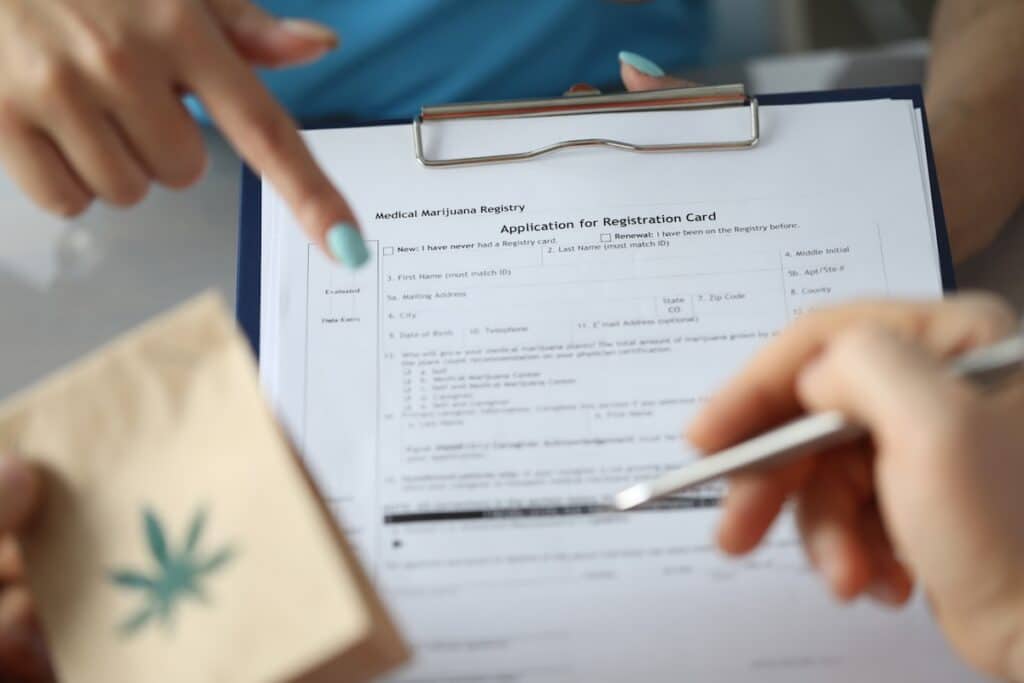
Focus on female hand holding paper folder and pointing for text. Sick patient with paper package with cannabis symbol on it and signing document. Healthcare and medical marijuana concept SSUCv3H4sIAAAAAAAEAJ2RS27DIBCG95V6B4t1LMUvEucqURdjjGMUAhHgVlbku3cwoZp1xYb55vnPvD4/ioIN4JVgl+IVLbSV1osPDoKyBvHx8OZOmlE6SuSognUKNIUDBDEbeEiEZtE64m13Mh8gLF762OyNBAR5wxoJ/pVIE12TXWTH7sQMdDF2IMwvw84y2g7/zkyfr6wGbtKIdR+YCHFSS0hCrimU3X+CdA8qDZZRWaLq2wrQMaAhlZ5OCWVuJM2Ged9yThN2McGtdHKmrX3CoOOKJ6wpM5/BewwfMyeNBN7UPkgfY8Mu4F2VjXiJaFZNXZ150/AaX8uP3ZHl61lxVyOVmA46K3S5lXAVJ2DQd7zj57aEc38q2+pUlX3TNiX0fOin7jTxqcbFb79d3hoChwIAAA==